

Introduction
The northeast of China experiences harsh winters that present unique challenges and opportunities for residents. This article explores the cold weather conditions in this region, shedding light on how people adapt to and thrive in the frigid climate. China is a vast country with diverse climates, ranging from subtropical in the south to frigid in the northeast. The northeastern provinces of Heilongjiang, Jilin, and Liaoning, collectively known as Manchuria, experience some of the harshest winters in the world.
The Brutality of Northeast China’s Winters
Northeast China is known for its long and bitterly cold winters. This section provides an overview of the climate, detailing temperature extremes and the duration of the winter season. Winters in Northeast China are long and bitterly cold, with temperatures plummeting to -30°C (-22°F) or even lower. The region experiences heavy snowfall, with accumulations often reaching several meters.
Adaptations for Survival in the Cold
In order to survive the harsh winters, people in Northeast China have developed a variety of ingenious adaptations. Residents of northeast China have developed unique ways of coping with the cold. This section explores the daily routines and practices that help individuals navigate the challenges of winter.
Here are some of the ways they cope with the cold:
Traditional Clothing: Residents of Northeast China wear thick, padded clothing made from yak wool or other warm materials. They also wear fur hats, gloves, and boots to protect their extremities from the cold. Traditional methods play a significant role in surviving the winter. here are lots of other measures but some of the common practices such as hot pot meals, heated flooring, and other cultural traditions contribute to a warmer and more comfortable living environment.
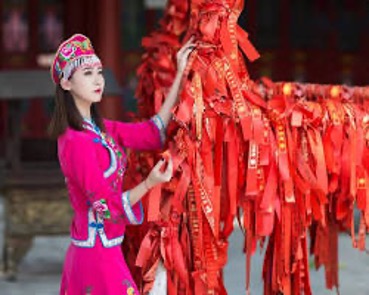
Heating Systems: Homes and businesses are equipped with powerful heating systems to maintain a comfortable indoor temperature. Coal is the most common fuel used for heating, but natural gas and electricity are also becoming more common.
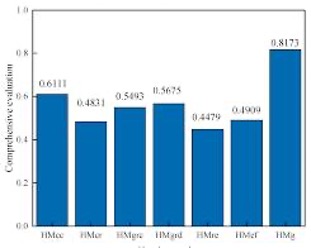
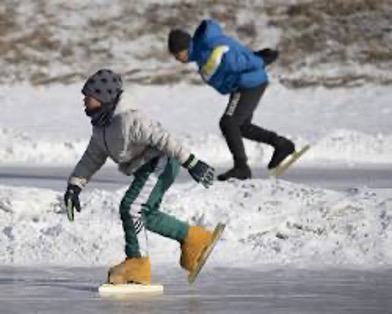
Winter Sports: Northeasterners enjoy a variety of winter sports, such as ice skating, ice hockey, and skiing. These activities help them stay active and fit during the cold months.
Outdoor Activities: Despite the cold, people in Northeast China still enjoy spending time outdoors in the winter. They often go for walks in parks, ice fishing, and sledding.
Festivals and Traditions: Northeast China has a rich winter culture, with many festivals and traditions that celebrate the season. The most famous of these is the Harbin Ice and Snow Festival, which features elaborate ice sculptures and snow-themed attractions. In recent years, Changchun City has also started the Ice and Snow Festival. The city will come up with multiple ice sculptures to attract more visitors during the peak winter season. Nanhu Park is one of the biggest parks in Changchun city which offers a variety of activities during the winter. Jingyuetan is another national park very popular for skiing during the winter in the northeast of China. Similarly, universities located in the northeast of China organize different skiing events. Another small place in Jilin City has been very popular in recent years where southern Chinese and some of foreigners come to enjoy the winter and go skiing. This place takes around 30-40 minutes on the fast train from central Changchun city and is famous for skiing due to some mountains.

Community Spirit: During the long, cold winters, people in Northeast China come together for support and camaraderie. They often hold neighborhood gatherings, potluck dinners, and other events to ward off the winter blues.
Adaptability and Resilience: Northeasterners are known for their adaptability and resilience in the face of adversity. They have developed a strong sense of community and self-reliance, which has helped them survive and thrive in one of the harshest climates on Earth.
Conclusion
In conclusion, the cold weather in northeast China shapes the lifestyle, traditions, and resilience of its residents. By understanding the adaptations and cultural practices, one can appreciate the unique aspects of winter life in this region. Navigating the harsh winters of Northeast China is a challenge, but it’s also a source of pride and tradition for the people who live there. The harsh climate has shaped their culture, their way of life, and their sense of community. Despite the challenges, Northeasterners embrace the winter season and find ways to enjoy the beauty and tranquility of the snow-covered landscape.